
Four brands have taught us the same thing in four different ways. Bite Studios, Rains, Holzweiler and Gymshark grew volume faster than margin, and three of them have paid for it. Tiger of Sweden reported minus 116.6 million kronor in operating profit for 2024 and 2025, and nobody has taken over the position.
The conclusion is not that growing is dangerous. It is that stock is where a small brand dies, and that stock is the only decision made before anyone has bought anything.
What a batch actually costs
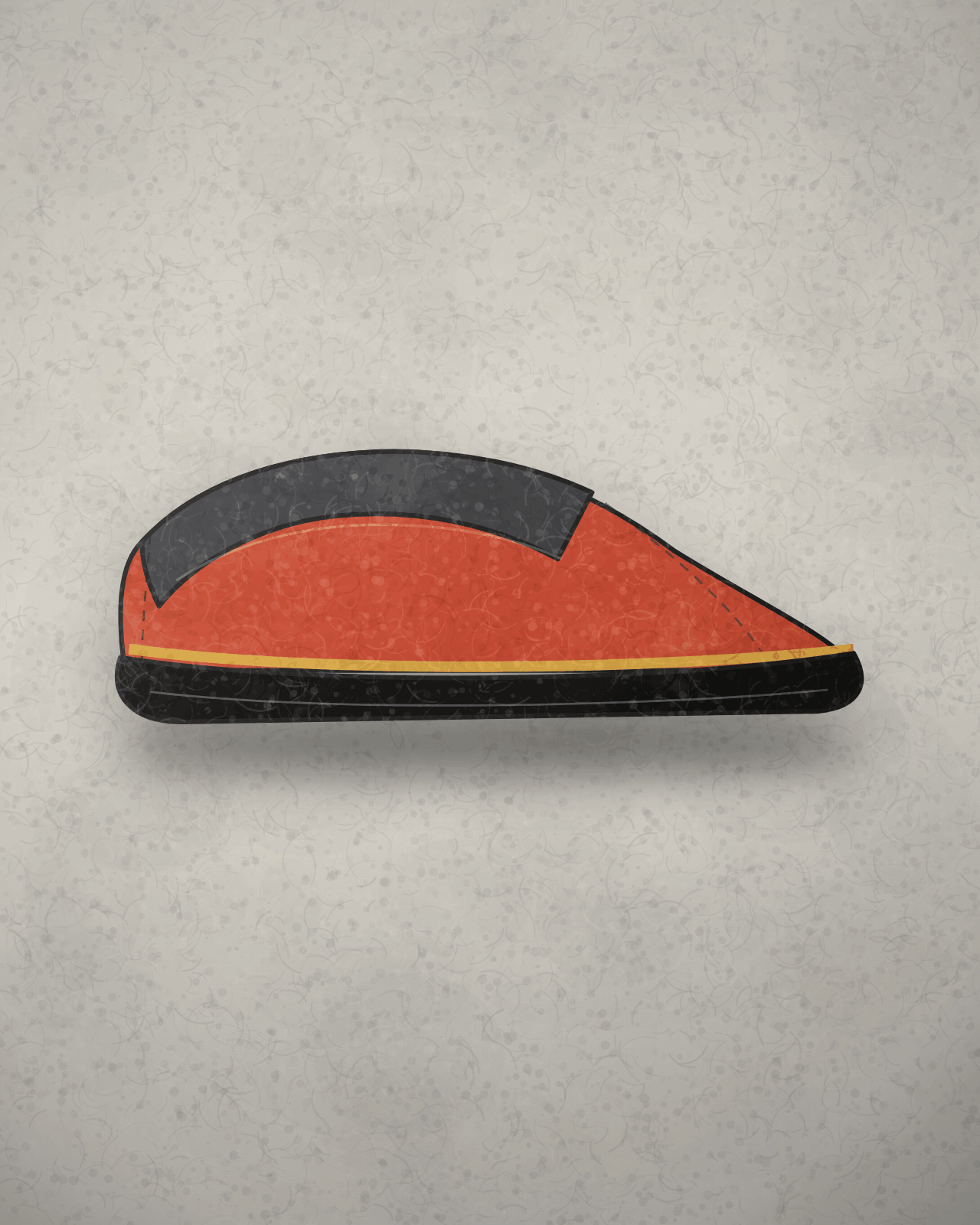
Take a slipper. The minimum quantity at a Portuguese maker with an existing last sits around three to five hundred pairs, and the first thing to ask in writing is whether the quantity applies per colour or per order. That difference is the whole decision.
| Item | Fifty pairs | Five hundred pairs |
|---|---|---|
| Unit cost | higher | lower |
| Capital tied up | small | large |
| Risk if the colour is wrong | a lesson | a year |
| Room to correct in the second run | yes | no |
| Credibility of a numbered edition | high | none |
Unit cost is the only column arguing for the large run, and it is also the only one that can be calculated exactly in advance. That is why it wins most calculations, and that is why those calculations are wrong.
A numbered edition is true
A numbered edition is a description of what exists, not a sales trick. Fifty pairs means fifty, and when they are gone they are gone until the next run is ordered.
That is the difference from manufactured scarcity. A countdown clock that restarts when the page reloads is prohibited marketing under Annex I of the Unfair Commercial Practices Directive. A real number is not. We never build the first and always write out the second.
Why accessories carry the volume
Around a quarter of all fashion sold in Sweden comes back. But accessories are returned three to four times less than clothing, for the simple reason that a scarf cannot be the wrong size.
For a brand launching with eleven to thirteen sizes per style and colour, that is not a detail. It is the reason the first product is a scarf and the second a slipper, and the reason the blazer arrives when cash flow can carry a return flow.
What we do not know
We have not measured the break-even point where a larger run actually pays. The rule of thumb says two to three hundred garments, and it comes from trade conversation rather than from our own books.
We will measure it during the first year. Minutes per garment spent on feeding and changeover, against unit cost over twelve months. Until the figure exists we treat it as what it is, a guess that sounds like a number.
Sources
- Returstatistik för svensk modehandel. Kustom, augusti 2025 till april 2026.
- Rörelseresultat 2024/25. Tiger of Sweden, 2025.
- Bilaga I till direktiv 2005/29/EG om otillbörliga affärsmetoder. Europeiska unionen, senast ändrad 2024.